

How to Freeze Soup (+ Thaw It Too!)
Introduction
Mastering how to freeze soup (and thaw it like a pro) is a total game changer for busy families, meal preppers, and anyone who loves having a warm, nourishing meal ready at a moment’s notice. Freezing soup preserves its flavors and nutrients, saves time on busy weeknights, and helps reduce food waste by giving leftovers a second life. Whether you’re looking to batch-cook healthy soups or want an emergency meal on hand, learning the best techniques is simple—and absolutely worth it.
Flavorful Soup All Week: Why Freezing Is a Smart Move
The beauty of freezing soup is that it lets you capture that just-cooked flavor and texture, making it easy to enjoy homemade goodness anytime. With these methods, your favorite soups—from chunky veggie to creamy bisque—retain their savory depth, color, and freshness. Plus, portioning and freezing allow you to control serving sizes, making meal planning effortless.
How to Freeze Soup Properly
To freeze soup successfully, follow these three easy steps:
- Let Soup Cool Completely: Hot soup increases the risk of freezer burn and can raise the temperature inside your freezer. After cooking, allow soup to cool on the counter until room temperature (within 2 hours for food safety!).
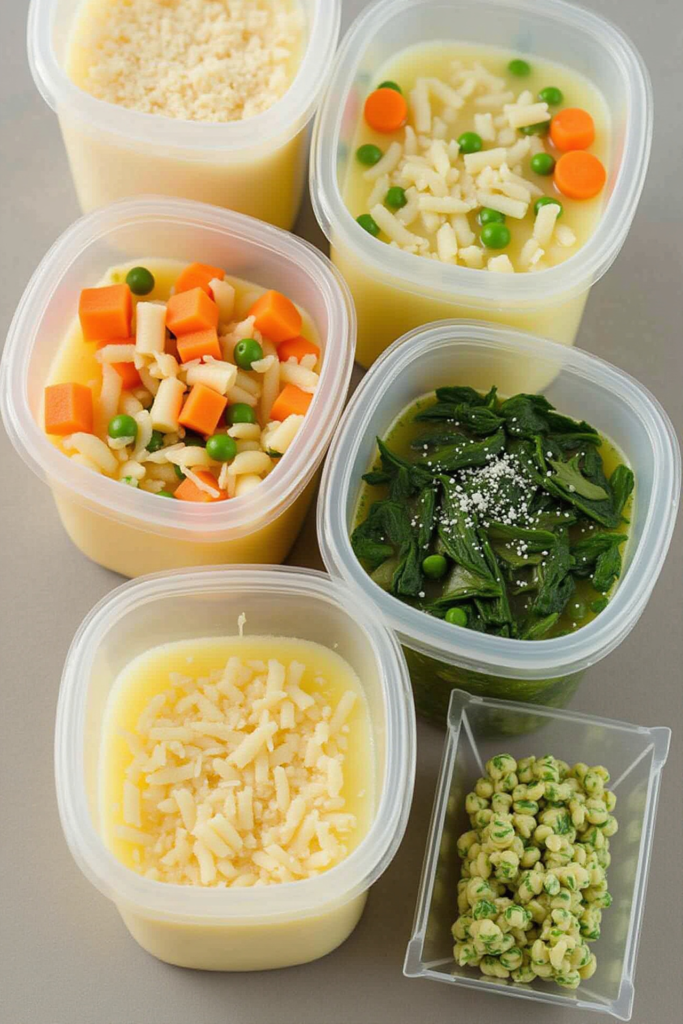
- Portion and Package: Use freezer-safe containers or bags. For easy reheating, divide soup into single or family-size portions. Leave about an inch at the top—liquids expand as they freeze!
- Label and Freeze: Mark containers with the soup name and date. Lay freezer bags flat to save space. Arrange containers so that the oldest soups are used first (first-in, first-out).
💡 Meal Planning Tip: Save this method to CookifyAI to instantly generate a smart shopping list for any soup recipes you want to prep and freeze. Your ingredients are organized by grocery section—no more forgotten carrots or double garlic buys!

The Best Containers for Freezing Soup
Not all containers are freezer-friendly. The best options:
- Freezer-Safe Glass Jars: Leave at least 1-inch headspace, and never fill to the brim (to prevent cracking).
- BPA-Free Plastic Containers: Look for those labeled “freezer-safe.”
- Heavy-Duty Freezer Bags: Great for saving space—lay flat to freeze, then stack upright.
Tip: Avoid storing soup in thin disposable containers, as they can crack with temperature change.
How to Thaw Frozen Soup Safely
There are three easy ways to thaw soup:
- In the Refrigerator (Best): Place the container in the fridge the night before. This slow thawing method is safest and maintains the best texture.
- In a Water Bath: Submerge sealed soup containers in a bowl of cold water for 30–60 minutes.
- Directly in the Pot: Release soup from its container and place it in a saucepan over low heat, stirring occasionally until thawed and heated through.
Never thaw soup at room temperature to avoid harmful bacteria growth.
Which Soups Freeze and Thaw Best?
Most broth-based soups, thick purees, chilis, and stews freeze beautifully. Dairy-based or creamy soups may separate but can be whisked smooth after reheating. Soups with pasta, rice, or potatoes sometimes soften during thawing—cook these ingredients fresh, or undercook before freezing.
Weekly Meal Planning
Batch-freezing soup is a cornerstone of efficient weekly meal planning. Save and schedule all your favorite soup recipes in CookifyAI to:
- Effortlessly plan which soups you’ll eat and when (perfect for quick weeknight dinners)
- Automatically total all soup ingredients across recipes, so your shopping list is accurate and streamlined
- Have all your soups and grocery lists sorted by aisle—no backtracking in the store
- Avoid duplicate purchases, minimize waste, and make meal prep a breeze
Pro tip: Planning a soup night once a week? Schedule your soup batches and CookifyAI will keep you stocked and organized—so you always have a delicious homemade meal ready in the freezer.
Summary Table: Soup Freezing & Thawing at a Glance
| Step | Details |
|---|---|
| Cool Soup | Let stand until room temp (max 2 hrs) |
| Portion & Package | Freezer-safe containers, leave headspace |
| Label & Freeze | Name + Date, freeze flat if using bags |
| Thaw | Fridge overnight or gentle reheat from frozen |
| Best for Freezing | Broth-based, purees, most stews |
Need a Better Morning Brew?
Real talk – I was spending -6 on mediocre coffee shop drinks and still keeping stale grocery store grounds at home. Started ordering from Peet's Coffee and realized I was basically throwing money away before. Their beans arrive days after roasting, which means you're getting actual fresh coffee, not something that's been sitting in a warehouse for months.
They have everything from light breakfast blends to heavy espresso roasts, plus decaf that doesn't taste like cardboard. Single-origins if you're into that, or just solid everyday blends that work. Way more cost-effective than the coffee shop routine, and honestly tastes better than most local spots. Check out their full collection here.
Cook and Prep Times
Prep Time: 10 minutes (for dividing, cooling, and packaging)
Freezing Time: At least 4 hours
Thawing Time: 8–24 hours in fridge, or 30–60 minutes water bath/heat
With these simple steps, you’ll always have your favorite soups on hand—full of flavor, nutrients, and ready in a flash!
Why I Switched to Peet's

I'm not a coffee snob, but I do care about what I'm drinking first thing in the morning. Been getting my beans from Peet's Coffee for a while now, and it's one of those small quality-of-life things that makes a difference.
What actually matters about it:
- Small-batch roasting means you're getting beans within days of being roasted, not months-old supermarket stuff
- They've been doing this since 1966 in Berkeley – literally started the craft coffee movement before it was trendy
- Huge selection: light roasts, dark roasts, espresso blends, single-origins, flavored options, decaf that doesn't taste like punishment
- You can order whole bean or ground depending on your setup. I do whole bean because my grinder isn't decorative
- Price-wise, it's comparable to what you'd spend on decent beans locally, but way fresher and more consistent
If you're going to invest time in cooking good food, might as well have good coffee to go with it. The Major Dickason's Blend is my daily driver – solid medium-dark roast that works for everything from French press to espresso. Their Big Bang is great if you need high-octane morning fuel.
→ Browse their full collection here – they ship fast and the packaging keeps everything fresh.
Standard disclaimer: I only mention products I actually use. This is my go-to for coffee beans because the quality is consistent and the freshness makes a difference. Referral link included, but genuinely just sharing what works.
